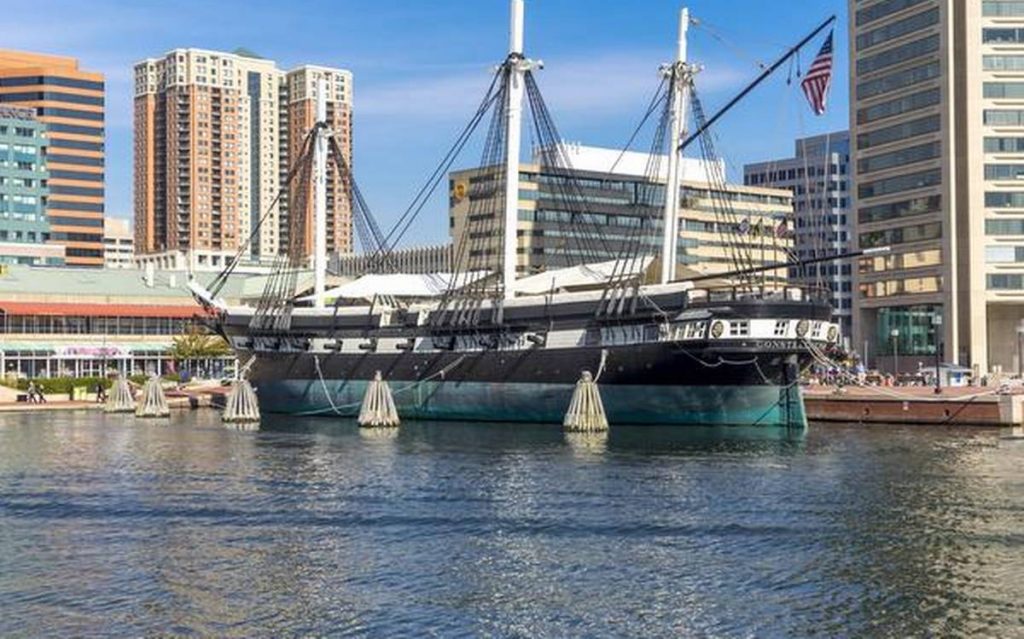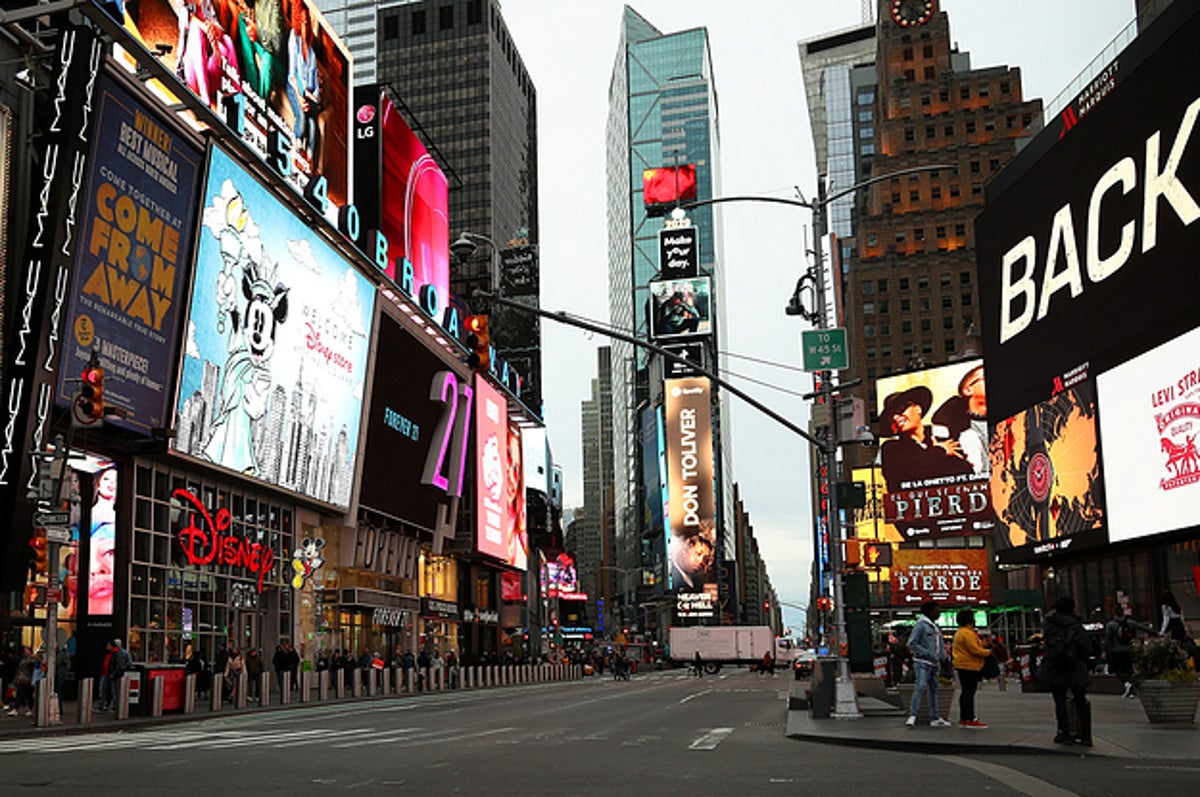
Kata siapa Amerika hanya identik dengan gemerlap New York City? Masih banyak wilayah lain yang patut dikunjungi saat berada di Amerika loh. Salah satunya yaitu Connecticut, sebuah wilayah di Amerika yang didominasi oleh wisata alam. Tidak hanya wisata alam, apa pula bangunan-bangunan dengan arsitektural yang khas. 1 tempat yang paling popular di Connecticut adalah museum maritime yang paling besar di Amerika Serikat. Museum ini bisa dikunjungi oleh siapapun, dan pengunjung akan disajikan beragam kapal-kapal memukau. Jika Kamu berkesempatan terbang ke Amerika, jangan lupa sempatkan ke Connecticut. Karena di sana banyak destinasi yang pasti membuatmu betah berlama-lama. Berikut beberapa destinasi yang wajib dikunjungi wisatawan, antara lain:

- Elizabeth Park
Taman buatan yang memiliki total luas 100 hektare ini dibangun sejak 1897. Tempat ini sangat cocok dijadikan tempat fotografi, karena dihiasi ribuan bunga warna-warni. Di sana Kamu juga akan disajikan rangkaian tanaman bunga mawar yang dibentuk sedemikian rupa menyerupai terowongan. Jika Kamu ingin melihat semua bunga dalam keadaan terbaik, datanglah pada bulan Juni sampai musim gugur. - Saville Dam
Bendungan buatan yang dibangun di sungai Farmington ini banyak menarik wisatawan. Karena sekelilingnya dipenuhi hutan dan perbukitan, yang membuatnya terlihat sangat menawan. Bendungan tersebut membentuk sebuah reservoir berkelok yang bisa dilewati pejalan kaki untuk menuju menara. Berjalan di atas jembatan akan membuatmu seolah berada di negeri dongeng yang sedang menuju istana impian. - Mystic Seaport
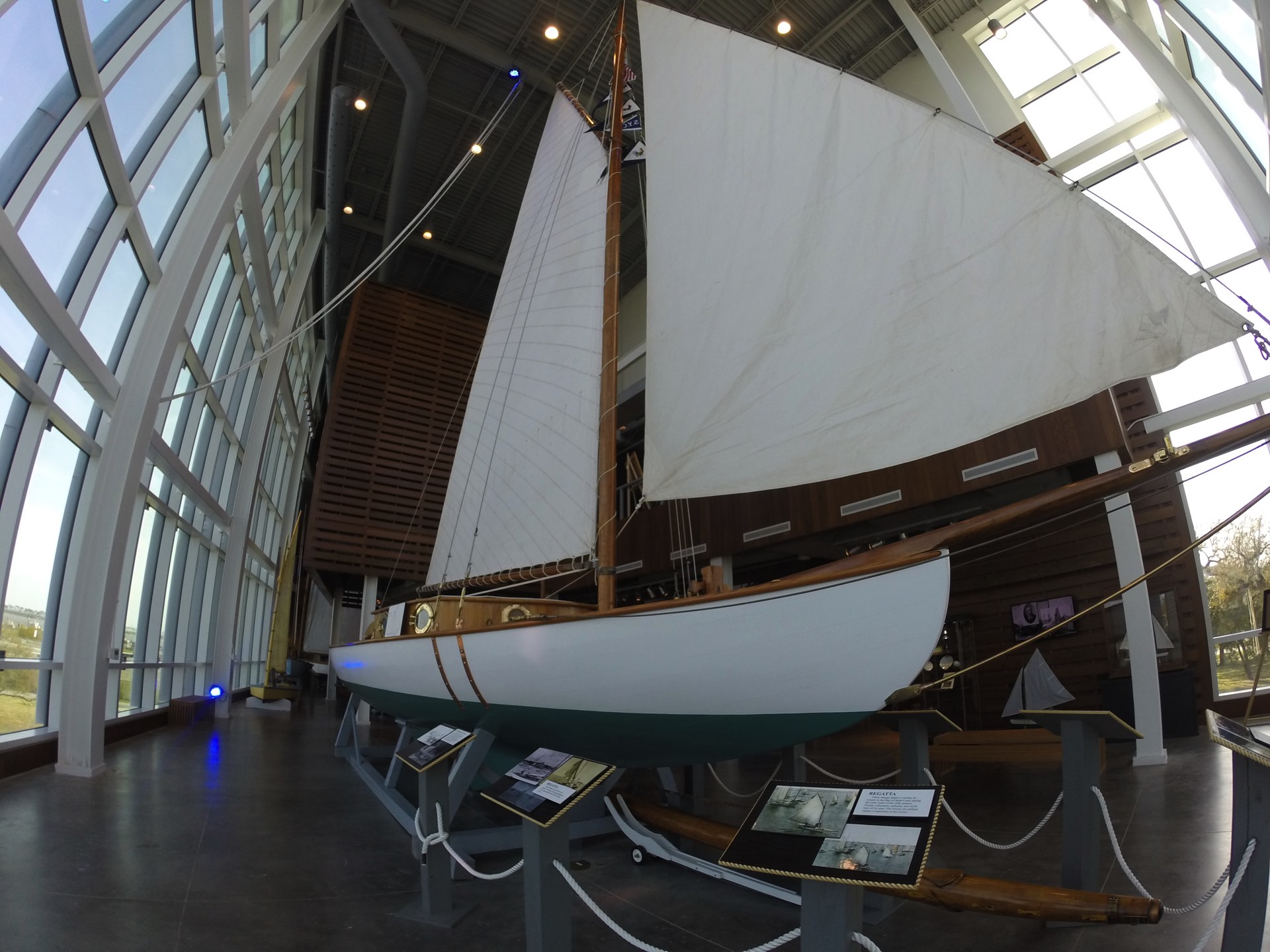
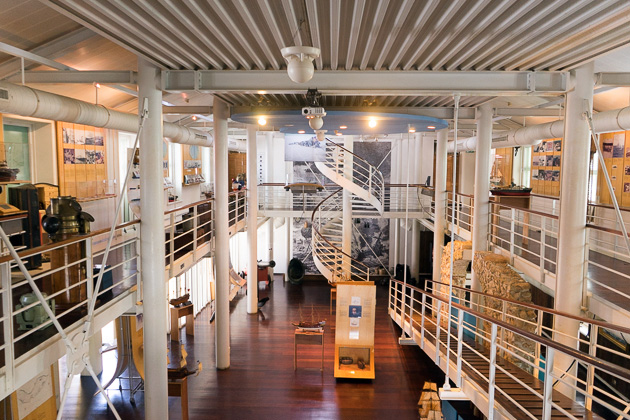
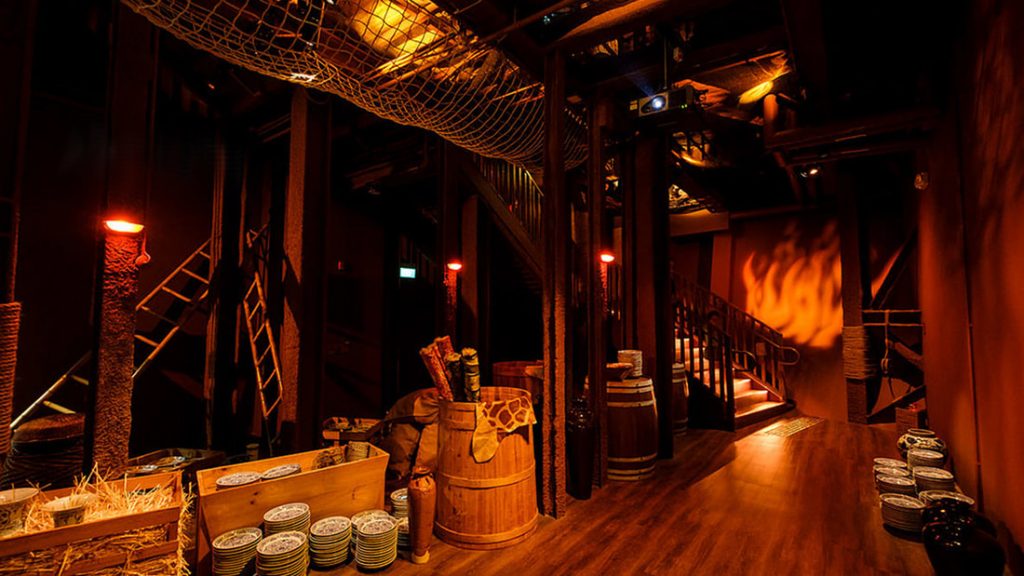
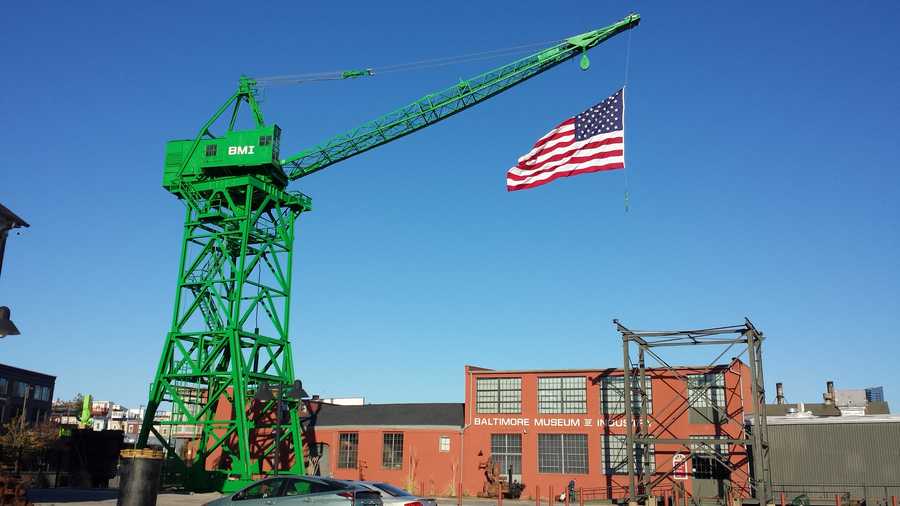
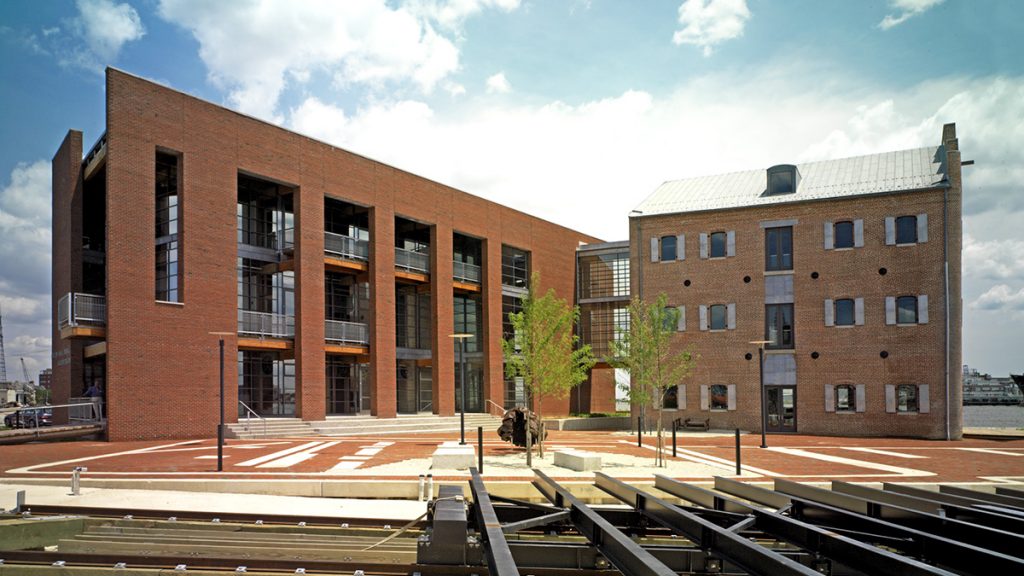
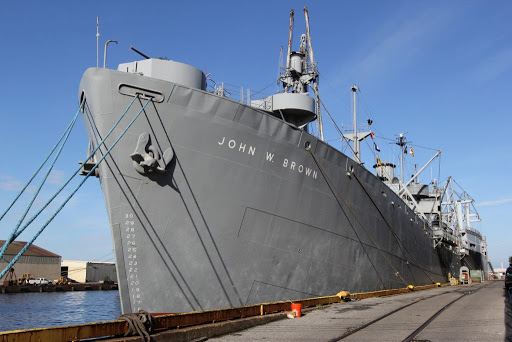
Nah kalau tempat satu ini pasti semua orang sudah tahu, sebuah museum maritime terbesar di Amerika Serikat. Di dalamnya terdapat berbagai kerangka kapal dari waktu ke waktu. Jika di Museum of Art NYC terdapat evolusi fashion dari 700 tahun lalu hingga sekarang. Berbeda dengan museum maritime ini, ia menyimpan berbagai evolusi kerangka kapal dari berbagai periode. Sangat cocok dijadikan wisata edukasi dengan mengajak sang buah hati. Menariknya, beberapa kapal yang tersimpan di dalam Museum Maritim dijadikan sebagai landmark nasional loh. - Kent Falls State Park
Kalau Kamu ingin pergi liburan untuk healing, air terjun satu ini patut dijadikan pertimbangkan. Tempatnya yang menyejukkan dan menyegarkan dijamin akan membuat pikiranmu kembali rileks. Air terjun paling indah di Connecticut ini mempunyai akses yang cukup mudah, hanya berjalan kaki sebentar setelah memarkirkan kendaraan. Jika Kamu ke air terjun tersebut sata musim gugur, Kamu akan melihat banyak pohon warna-warni di sekelilingnya. Namun, jika Kamu berkunjung saat musim semi, maka aliran airnya lebih deras. Dua-duanya mempunyai daya tarik tersendiri, sesuai preferensi masing-masing ya. - Connecticut State Capitol Building
Bangunan dengan arsitektural memukau ini merupakan pusat dari Bushnell Memorial Park. Pembangunan selesai sekitar tahun 1800an, dan hasilnya interior maupun eksteriornya sangat indah dengan gaya gothic revival. Di dalam Kamu akan dimanjakan dengan desain interior yang sangat elegan. Sebaiknya Kamu menggunakan pemandu, agar Kamu bisa tahu jelas sejarah dan setiap sudut ruangannya.
Nah itulah beberapa rekomendasi destinasi di Amerika. Jadi tidak hanya New York City yang terkenal karena Museum of Art, Connecticut juga popular karena mempunyai Museum Balto Maritime atau museum terbesar yang ada di Amerika Serikat. Jangan lupa abadikan setiap momenmu, agar dikemudian hari Kamu bisa mengenang keseruan liburanmu di Amerika.